Exclusion Diet & Food Intolerance
An exclusion diet helps separate protein allergies from gut sensitivity, with a novel protein and strict feeding for 8 to 12 weeks.
What is it?
An exclusion (elimination) diet means your dog eats only one novel protein and one carbohydrate source for 8 to 12 weeks, plus water. No snacks, table scraps or other food. The goal: find out whether symptoms come from a specific protein or from general gut sensitivity.
Why does it matter?
Itching, ear inflammation, diarrhoea and flatulence have different causes. A protein allergy is an immune reaction to a specific animal protein. Gastrointestinal sensitivity is often a digestion issue without a classic allergy. Treatment and food choice differ, which is why a structured exclusion diet matters.
How does it work?
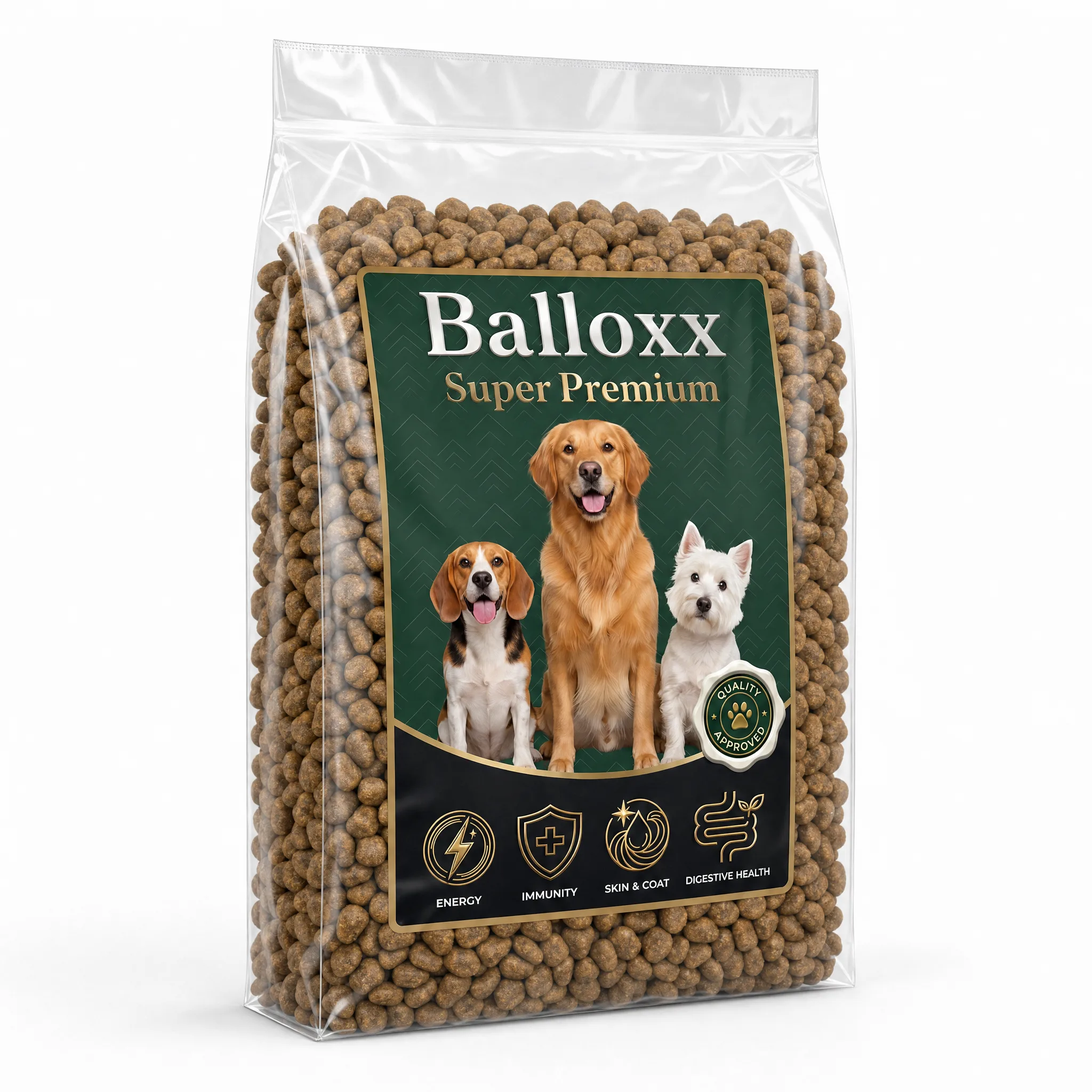
When protein allergy is suspected, choose a protein your dog has never eaten, lamb, venison or hydrolyzed protein. Lamb & Potato and Venison & Potato are grain-free options with a single meat as the main protein. Balloxx Sensitive uses hydrolyzed protein: proteins split into small pieces that the immune system is less likely to recognise.
Benefits
- Helps separate protein allergy from gut sensitivity
- Novel protein (lamb, venison) for strict elimination
- Hydrolyzed alternative when novel protein is not suitable
Misconceptions
An exclusion diet is not a one-week quick test. Symptoms may only improve after several weeks, and typically return within days if you reintroduce the old protein. Always discuss the plan with your vet, especially for puppies or dogs with other conditions.
FAQs
Sources
- Olivry T., Mueller R.S., Prelaud P. (2015). Critically appraised topic on adverse food reactions of companion animals (1): duration of elimination diets. BMC Veterinary Research 11:225; doi:10.1186/s12917-015-0541-3 (PMID 26310322; PMC4551374)
- Mueller R.S., Olivry T., Prelaud P. (2016). Critically appraised topic on adverse food reactions of companion animals (2): common food allergen sources in dogs and cats. BMC Veterinary Research 12:9; doi:10.1186/s12917-016-0633-8 (PMID 26753610; PMC4710035)
- Mueller R.S., Unterer S. (2018). Adverse food reactions: Pathogenesis, clinical signs, diagnosis and alternatives to elimination diets. The Veterinary Journal 236:89-95; doi:10.1016/j.tvjl.2018.04.014 (PMID 29871756)
- Matricoti I., Noli C. (2018). An open label clinical trial to evaluate the utility of a hydrolysed fish and rice starch elimination diet for the diagnosis of adverse food reactions in dogs. Veterinary Dermatology 29(5):408-e134; doi:10.1111/vde.12680 (PMID 30141280)