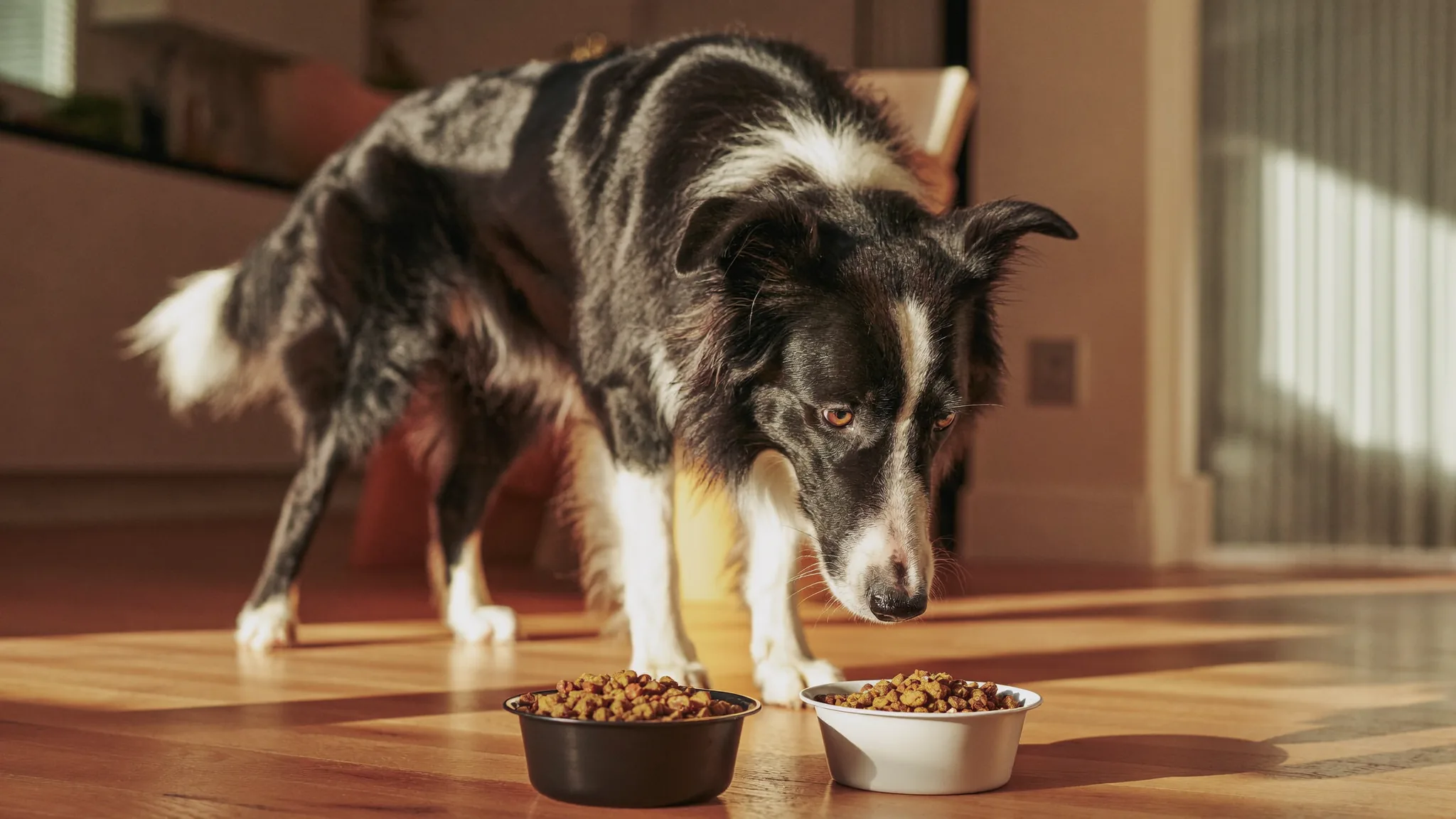

From Chihuahuas and Dachshunds to French Bulldogs, Maltese, and Pomeranians: small dog breeds have big personalities, but also very distinctive physiological needs. Many owners assume that a small dog can simply eat standard dog food in a smaller bowl. In practice that often takes more tailoring than just a smaller scoop. [1][2]
Due to a faster metabolism per kilo, compact stomach capacity and a delicate jaw structure, toy and mini breeds place specific demands on their daily food.
What Makes the Nutritional Needs of Small Dogs Unique?
Small dog breeds (up to approx. 10 kg) often have a higher energy requirement per kilogram of body weight than large dogs, while their stomach capacity is much smaller. [1][5]
The knowledge bank explains why small-breed kibble is formulated differently. You can then browse the full dog food range.
Small dogs burn energy at a much faster rate. Because their body surface area relative to weight is much higher, they lose heat quickly. To keep their core body temperature stable and energy levels consistent, their basal metabolic rate operates at a much higher frequency. [1]
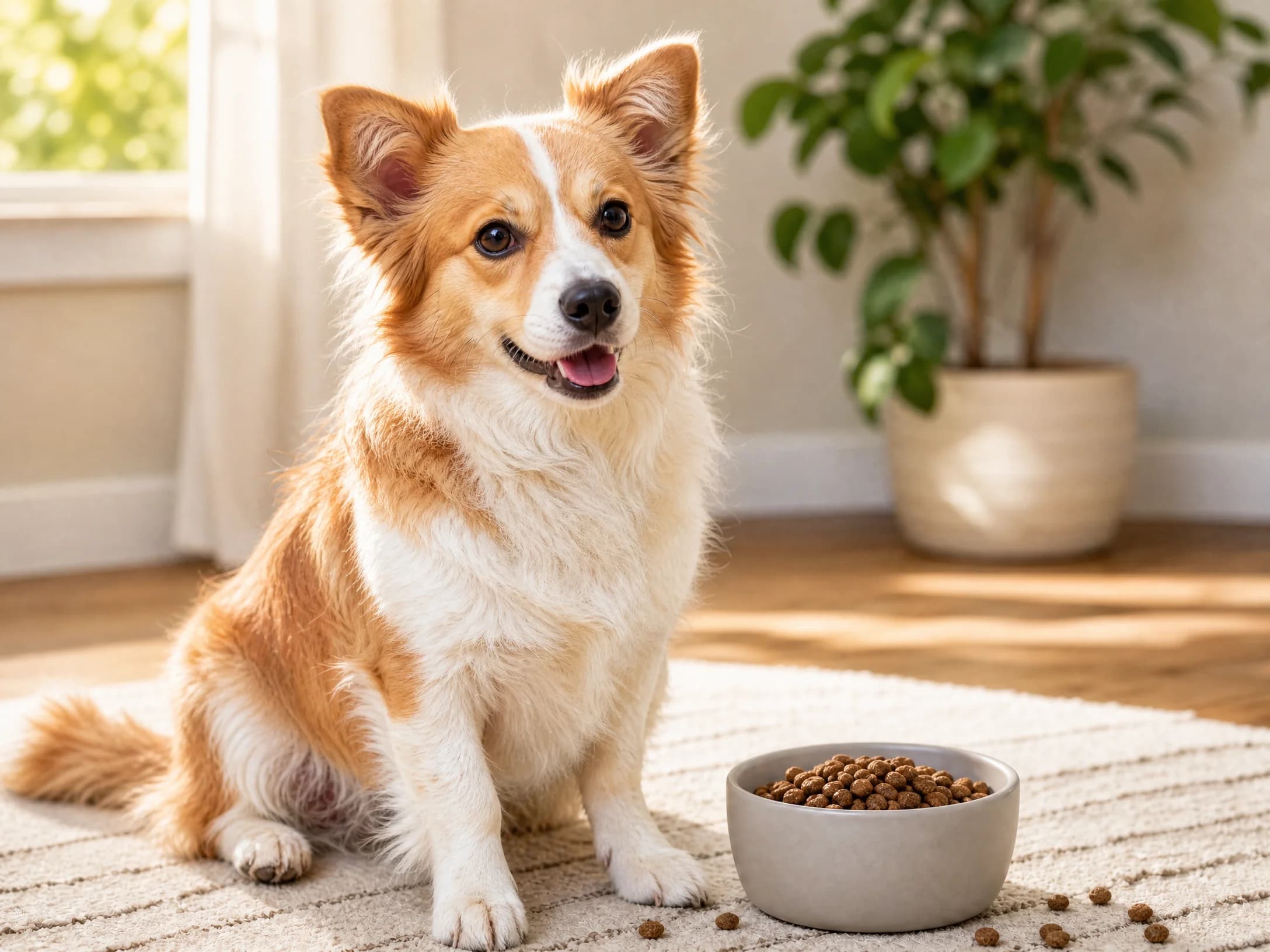
Feeding standard kibble to a small breed leads to two frequent complications:
- Physical chewing discomfort: Large kibbles are difficult for small jaws to grasp, leading to hasty swallowing, choking hazards, or meal refusal. [2]
- Insufficient nutrient intake: Small stomachs fill up quickly. If kibble has low nutrient density, the dog feels full before absorbing their daily requirements for protein and micronutrients. [1, 3]
According to veterinary nutritional standards (FEDIAF & NRC), small dogs have higher resting metabolic rates per kilogram. Their food must therefore be concentrated: more premium animal proteins, clean fats, and balanced vitamins per bite. [1, 2]
The 4 Essential Pillars of Small Breed Nutrition
To keep your small dog vibrant, agile, and healthy throughout their life, their diet must satisfy four evidence-based nutritional pillars:
Tailored kibble size (8 mm)
Compact kibble for small jaws
Compact jaws and crowded teeth need a small, crunchy kibble. A well-fitting size encourages active chewing; brushing remains the main dental care [1, 3].
High-Quality Proteins
Easily assimilated nutrition
Small breeds with a sensitive stomach benefit from easily digestible proteins (such as lamb or chicken). Choose a complete food and follow the feeding table; consult your vet if problems persist [2, 4].
Healthy Fats & Omega-3/6
Compact energy & coat care
Fats supply compact energy for dogs with a higher requirement per kilo. Essential omega fatty acids also support skin and coat [2, 3].
Fibre & Prebiotics
Support for digestion
Prebiotic fibres can support stable digestion. If problems persist, consult your vet [1, 2].
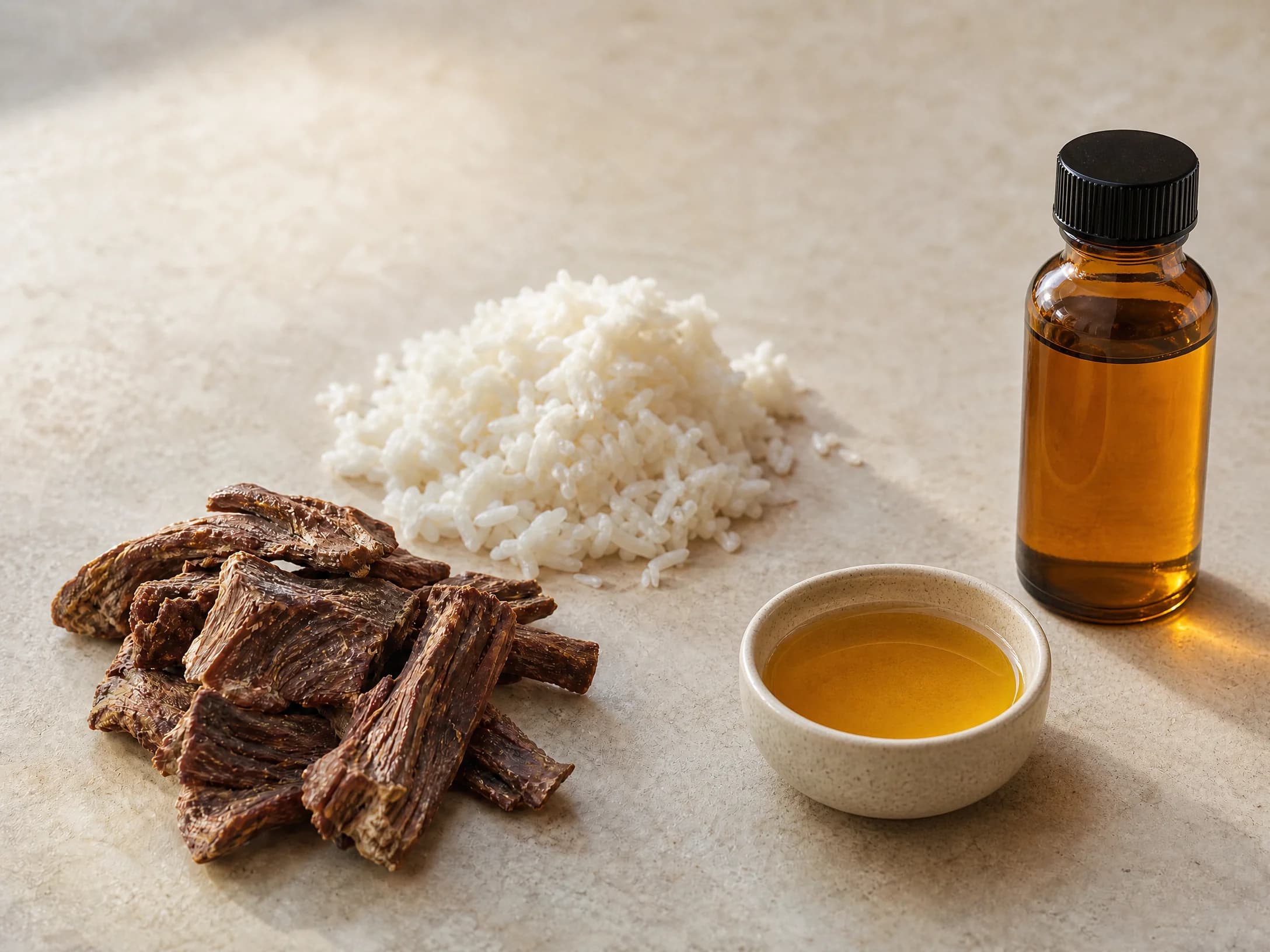
With a total daily energy allowance of only a few hundred kilocalories, a single rich treat can account for up to 50% of a small dog's daily quota. Always choose single-ingredient natural treats and deduct them from the daily feeding allowance. [1]
Which Balloxx Mini Recipe is Right for Your Dog?
Balloxx has formulated two super-premium recipes tailored specifically to the physiological demands of small dogs under 10 kg:
🐑 Super Premium Adult Dog Mini Lamb & Rice
- Best for: Small dogs with sensitive stomachs, delicate digestion, or food intolerances.
- Key Highlights: Lamb as the animal protein source, digestible rice, and small kibble (8 mm) sized for small jaws.
🍗 Super Premium Adult Dog Mini Chicken & Rice
- Best for: Energetic, playful small breeds requiring easily digestible, premium nutrition.
- Key Highlights: Chicken as the animal protein source, digestible rice, and small kibble (8 mm) sized for small jaws.
If you suspect a food sensitivity, or your dog has itching, recurring digestive trouble or other health complaints, always see your vet for a diagnosis and tailored feeding advice rather than switching recipes endlessly.
Frequently Asked Questions About Small Dog Nutrition
Why do small dog breeds need special mini kibble?+−
At what age should a small dog switch to adult food?+−
Can small dogs eat regular dog treats?+−
How do I prevent tartar and dental issues in small dog breeds?+−
What is the difference between Balloxx Mini Lamb & Rice and Mini Chicken & Rice?+−
Give Your Small Dog the Tailored Nutrition They Deserve
Discover our specialized Mini Kibble formulas crafted with premium ingredients, optimal energy density, and the ideal kibble size.
Explore Mini Dog FoodReferences & Scientific Sources
[4] Balloxx Pet Food Finder & Nutritional Guide.
[7] Internal guideline values from lib/feeding-guidelines.ts (Mini recipes: approx. 103 g/day at 5 kg, approx. 128 g/day at 7 kg, 2 meals); product descriptions confirm the 8 mm kibble size. The product page/packaging remains authoritative.