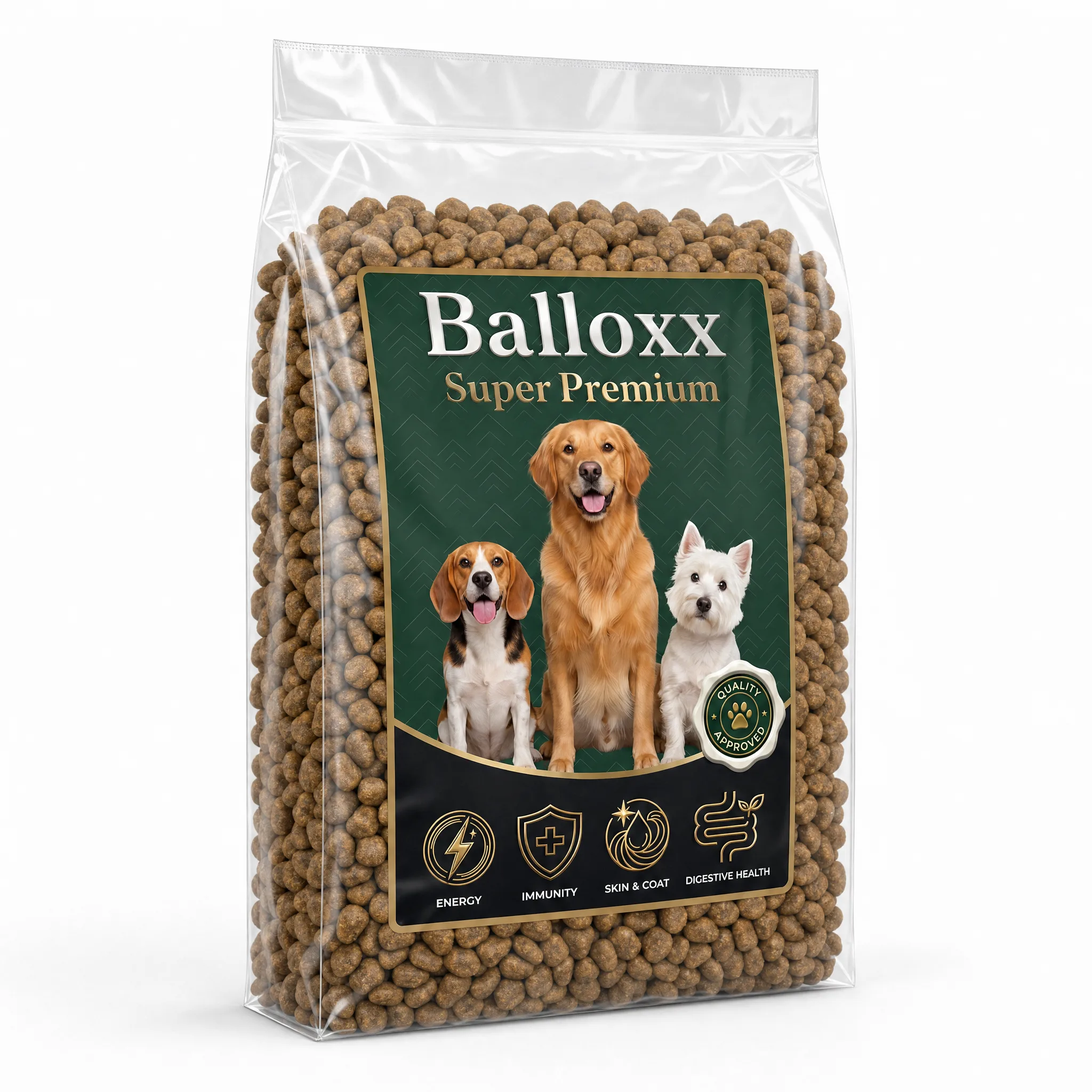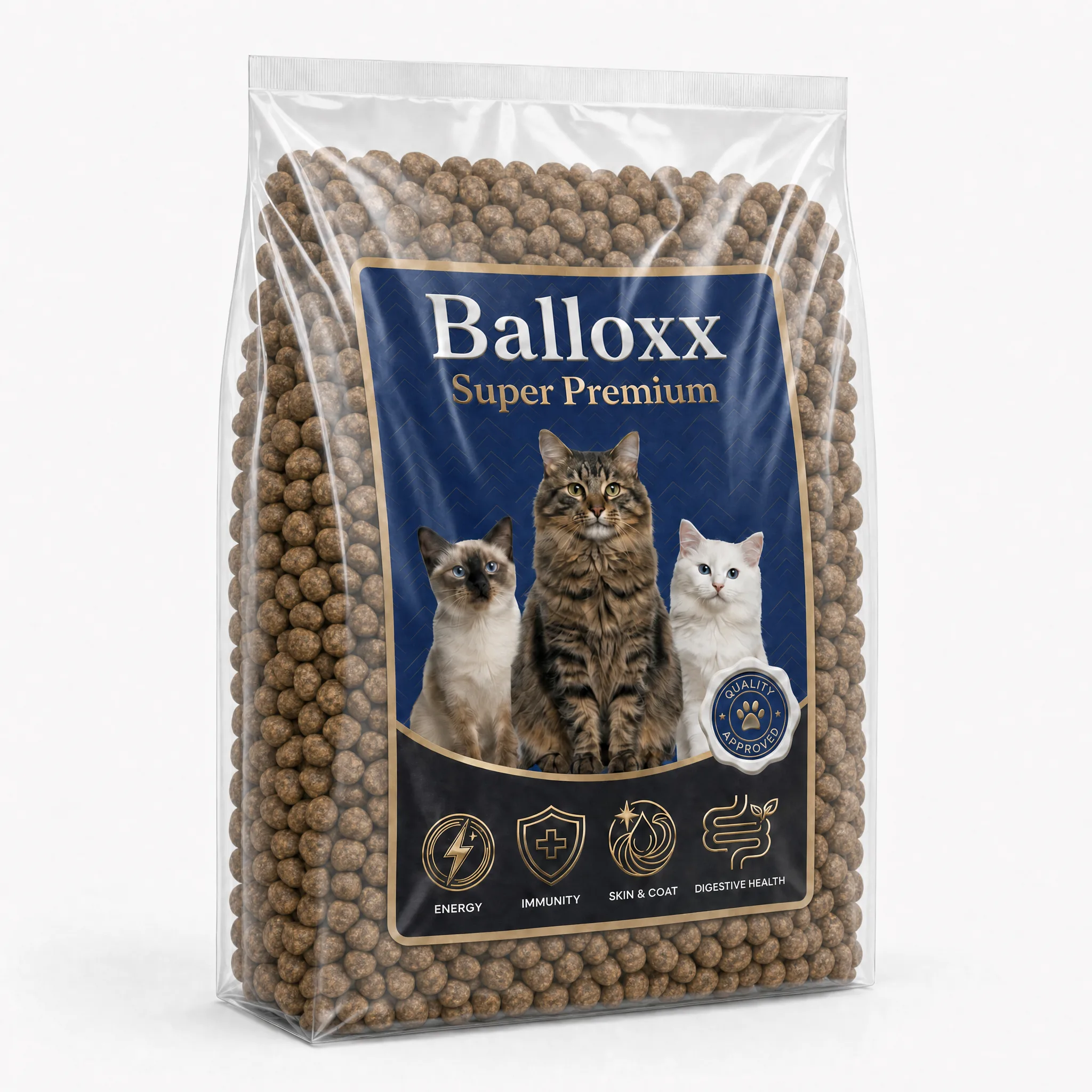
Grain-Free vs. Grain-Inclusive
Grain-free is not automatically better. Choose potato or pea versus digestible rice based on your pet.
What is it?
Grain-free food uses other carbohydrate sources (often potato, peas or sweet potato) instead of wheat, barley or corn. Grain-inclusive food usually contains digestible grains such as rice as an energy source alongside protein and fat.
Why does it matter?
On labels, "grain-free" often sounds premium, but it says little about quality or digestibility. Some dogs and cats do well on rice; others feel better on potato or pea. What matters is what your pet tolerates and what the full formula delivers, not the word on the front.
How does it work?
Carbohydrates supply energy and give kibble structure. Rice is a classic, digestible grain source with a mild effect on digestion. Potato and pea are grain-free alternatives with a different fibre and starch profile. Neither is superior by definition; digestibility depends on processing, ratio and the rest of the recipe.
Benefits
- Helps you choose consciously between grain-free and rice-based
- Rice supports a mild, digestible energy source
- Potato/pea offer grain-free alternatives where needed
Misconceptions
Grain-free does not automatically mean healthier or better for itching. Wheat allergy is less common than people think; grain-free does not fix every skin or gut issue. Sometimes a rice formula is the calmer choice. The US FDA investigated whether certain grain-free, pea- and potato-heavy diets can cause heart disease (DCM) in dogs; a causal link has not been established and research remains divided.
FAQs
Sources
- Freeman L.M., Stern J.A., Fries R., Adin D.B., Rush J.E. (2018). Diet-associated dilated cardiomyopathy in dogs: what do we know?. Journal of the American Veterinary Medical Association 253(11):1390-1394; doi:10.2460/javma.253.11.1390
- Mueller R.S., Olivry T., Prélaud P. (2016). Critically appraised topic on adverse food reactions of companion animals (2): common food allergen sources in dogs and cats. BMC Veterinary Research 12:9; doi:10.1186/s12917-016-0633-8
- Ontiveros E.S., Whelchel B.D., Yu J., Kaplan J.L., Sharpe A.N., Fousse S.L., Crofton A.E., Fascetti A.J., Stern J.A. (2020). Development of plasma and whole blood taurine reference ranges and identification of dietary features associated with taurine deficiency and dilated cardiomyopathy in golden retrievers: a prospective, observational study. PLOS ONE 15(5):e0233206; doi:10.1371/journal.pone.0233206
- Morris E.M., Stiers C.A., Hancock L.B., Gross K.L. (2025). Different carbohydrate sources in dog foods supported overall health and cardiac function: an 18-mo prospective study in healthy adult dogs. Journal of Animal Science 103:skaf225; doi:10.1093/jas/skaf225